Know the objective
Before a drill, know what you are trying to change. If the task is distance, pay attention to where the action starts and where it finishes. A successful repetition should tell you something you can use in a bout.
A good practice should leave you with something you understand better and something you want to work on next. That is how we coach at Allez: explain the task, watch what happens, and help the fencer make sense of it.
We teach épée, where the whole body is a target and a touch is scored with the point. Success depends on reading distance, timing an action, and responding to another person. Beginners start with movement and control. More experienced fencers learn to prepare actions, recognize patterns, and change a plan when the opponent gives them a different problem.
Some people want their first tournament result. Others want a sport they can enjoy each week. We take both seriously. The expectations stay the same: come ready to work, treat people well, and be willing to learn.
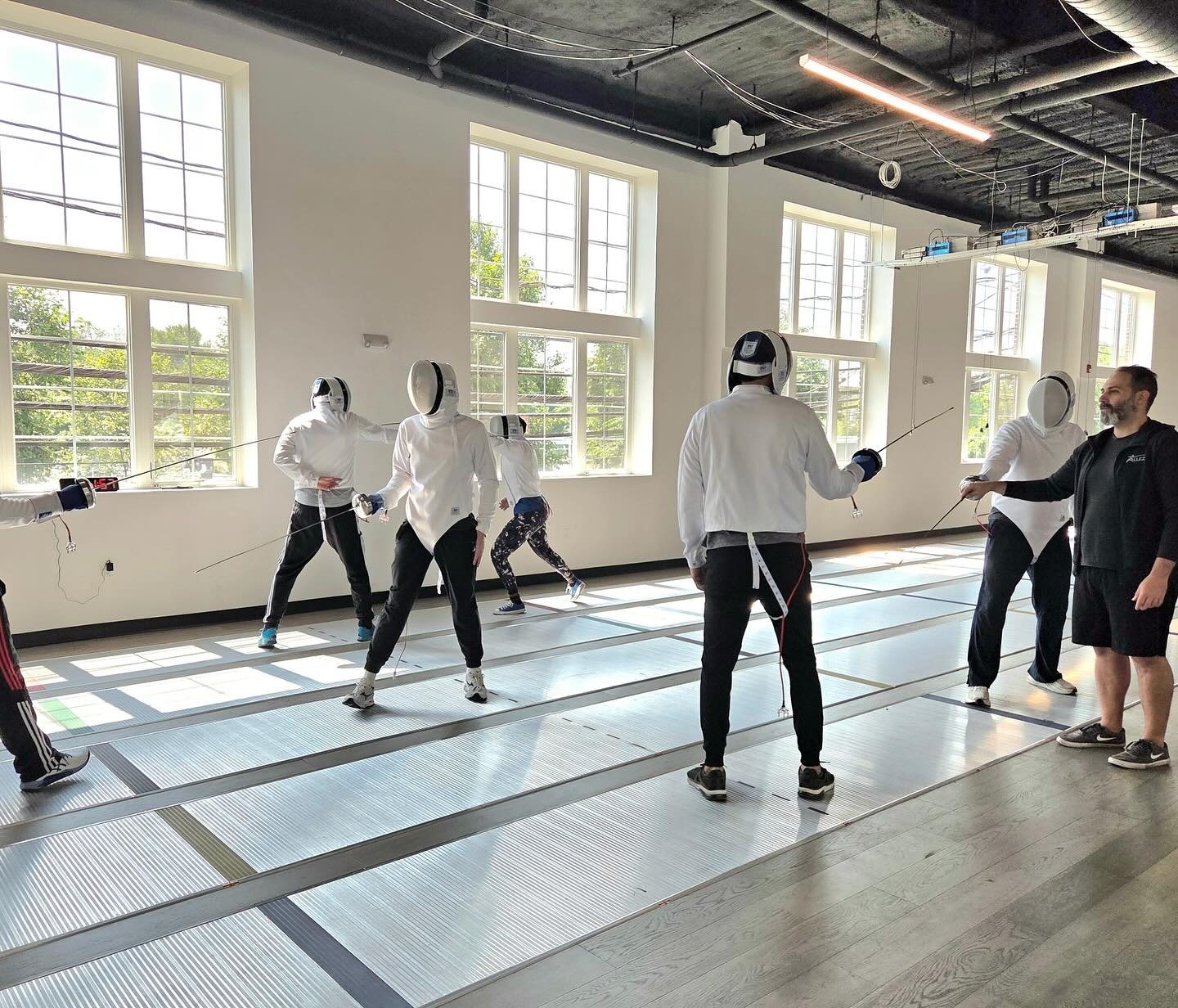
Every repetition has a purpose
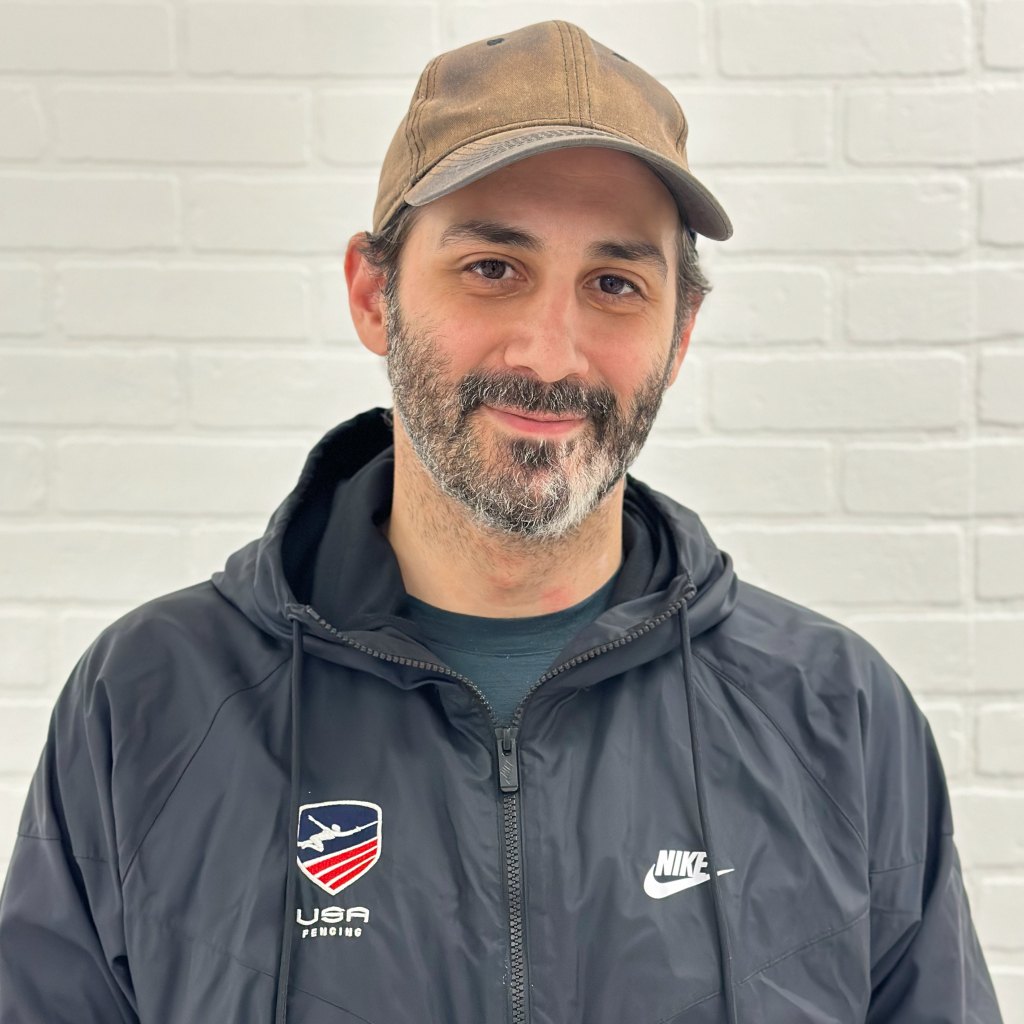
I’ve been coaching épée for more than twenty years, from someone’s first lesson to preparation for national competition. Before Watertown, I owned and coached Allez Fencing Center in Nashua, New Hampshire. I’ve also worked at various clubs, helping coach students at every level, including students who have gone on to attend some of the country’s top schools. That work has included introducing new fencers to the sport, supporting their development over time, and helping prepare competitors for national events. Through all of that, the part of coaching I keep coming back to is helping someone understand their own fencing—seeing something begin to make sense, then watching them use it for themselves.
Every fencer brings a different personality to the strip. Some want to work through every detail. Others need to feel an action a few times before it clicks. The same explanation won’t reach everyone in the same way, so I pay attention to how a person learns, what they notice, and what happens when they feel pressure. That shapes how we work together.
When an action keeps failing, we get curious about it. Was the distance right? Did the opponent react as expected? Did the fencer hesitate, or rush because they felt they were running out of time? A small change in preparation can make a familiar action work again. I want fencers to recognize those things themselves, so they have something useful to draw on when they’re out there making decisions.
That understanding takes time. We build it through focused practice, honest feedback, and plenty of fencing. A beginner needs room to ask questions and get comfortable making mistakes. An experienced competitor may need help settling after a difficult touch, trusting their preparation, or recognizing when to change the plan. Both need a coach who is paying attention to them.
I care about winning, and I enjoy the detail that goes into preparing for competition. I also want people to enjoy coming back to practice. Progress can be a better result, a clearer decision, or the confidence to try something that felt difficult a month ago. At Allez, we make room for all of that.
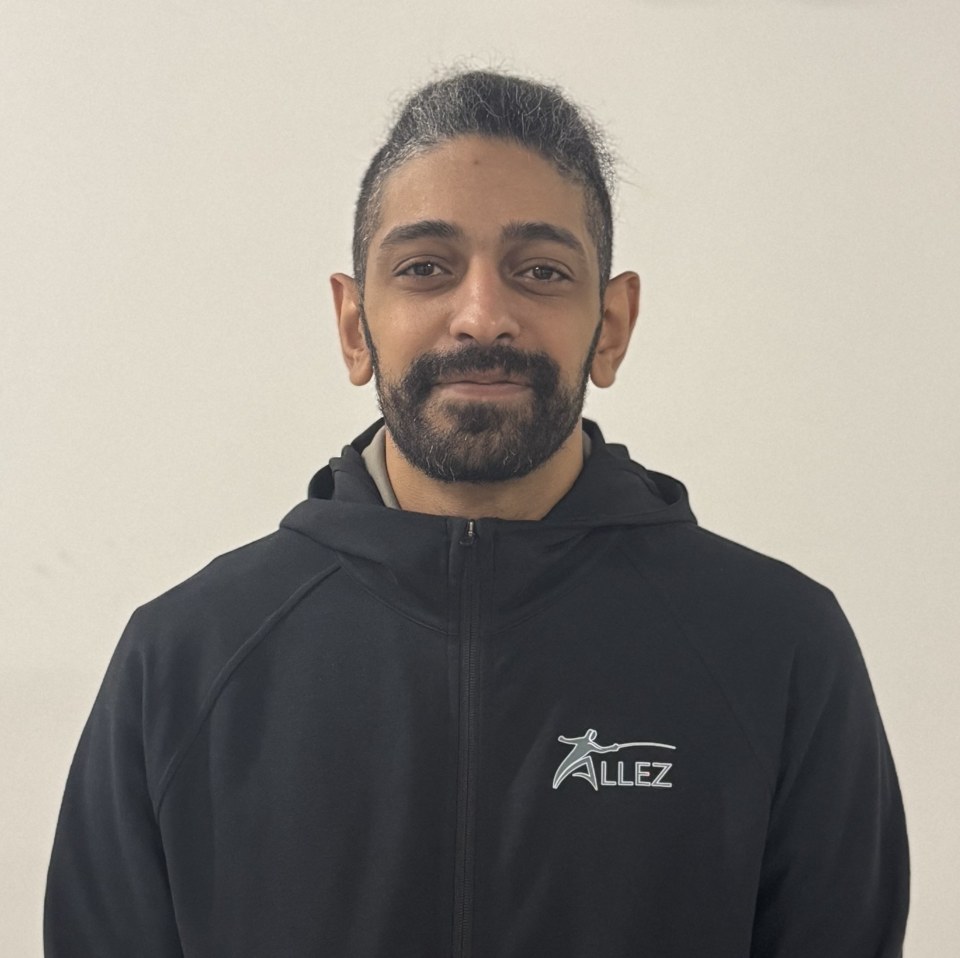
Épée coach with over 28 years in the sport and experience across collegiate, club, and scholastic programs. Proven track record of developing nationally ranked fencers and NCAA qualifiers.
Yasser is an experienced epee coach with over 28 years in the sport. His coaching journey has been shaped by his own NCAA championship experience at Penn State and by the lifelong mentorship of his father, Gamal Mahmoud, a renowned coach whose legacy includes Ivy League and NCAA successes. Over the years, Yasser has grown programs from just a handful of fencers to more than 80 athletes, guiding many to become nationally ranked and NCAA qualifiers. He creates an environment where every fencer feels supported, valued, and challenged to reach their potential, tailoring his coaching to each athlete’s unique strengths and goals.
What sets Yasser apart is his belief in developing the whole athlete. He cares as much about academics and personal growth as he does about fencing results. With a special focus on nurturing young talent, he works to build resilience, confidence, and teamwork while fostering a genuine love for the sport. For Yasser, success means helping athletes discover their own path—on the strip and beyond.
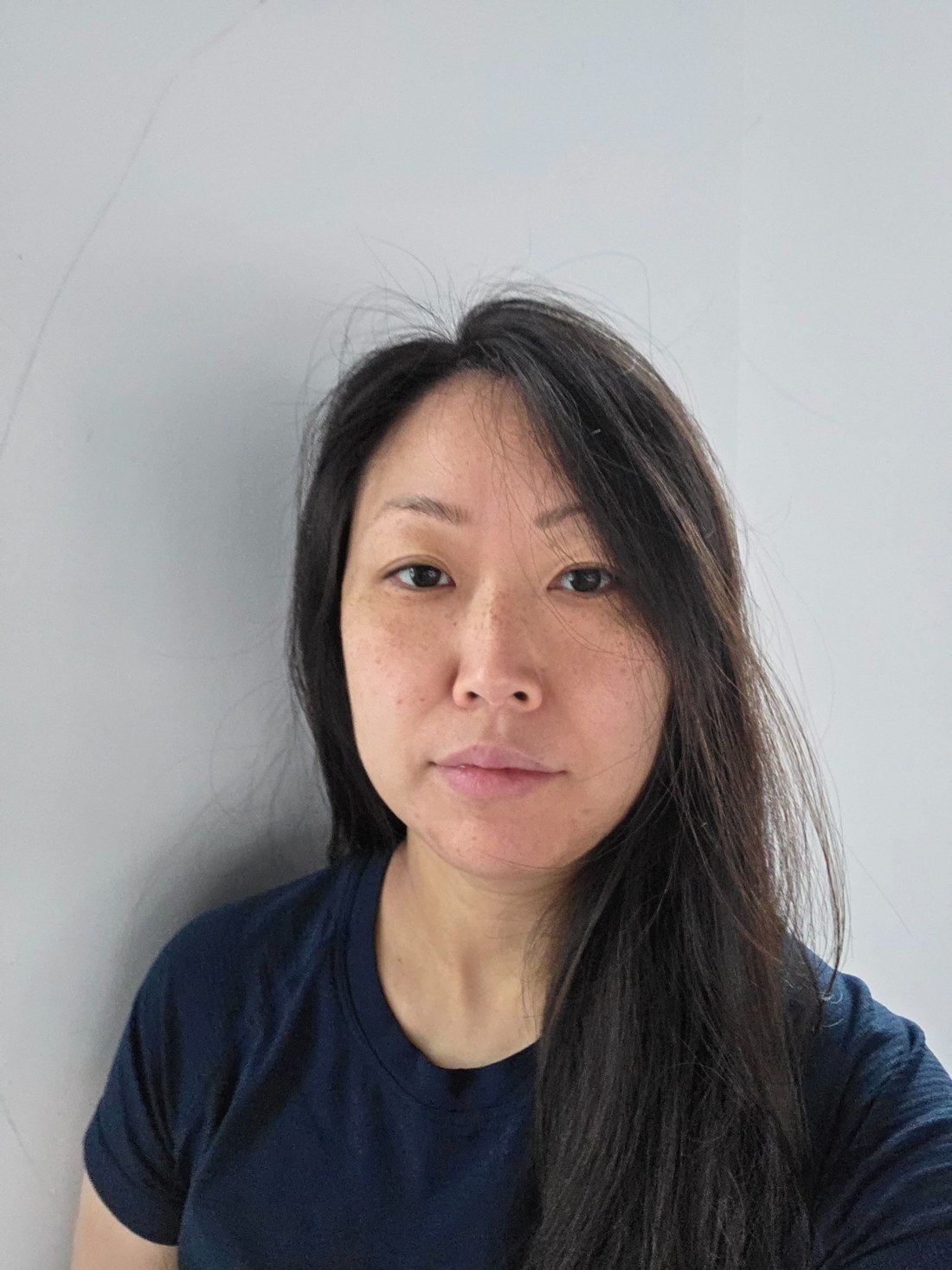
Sasha supports the day-to-day running of Allez and assists with coaching. Her role connects the practical side of joining a club with the experience of getting started on the strip.
From questions about registration to support during class, Sasha helps new fencers and families find their way at Allez. She keeps the club organized, allowing the coaches to focus on teaching and developing their fencers.
Sasha and Mark are building Allez together around a shared commitment to creating a serious but welcoming environment for fencers of every level.
Before a drill, know what you are trying to change. If the task is distance, pay attention to where the action starts and where it finishes. A successful repetition should tell you something you can use in a bout.
A difficult bout still deserves your attention. Reset after a lost touch, try the adjustment, and finish the work. Coaches help fencers separate a disappointing result from what they can do next, so effort leads somewhere useful.
After a bout, be able to name one thing that worked and one thing to change. Coaches give feedback, but fencers also learn to explain their own choices. That habit makes the next practice more useful.
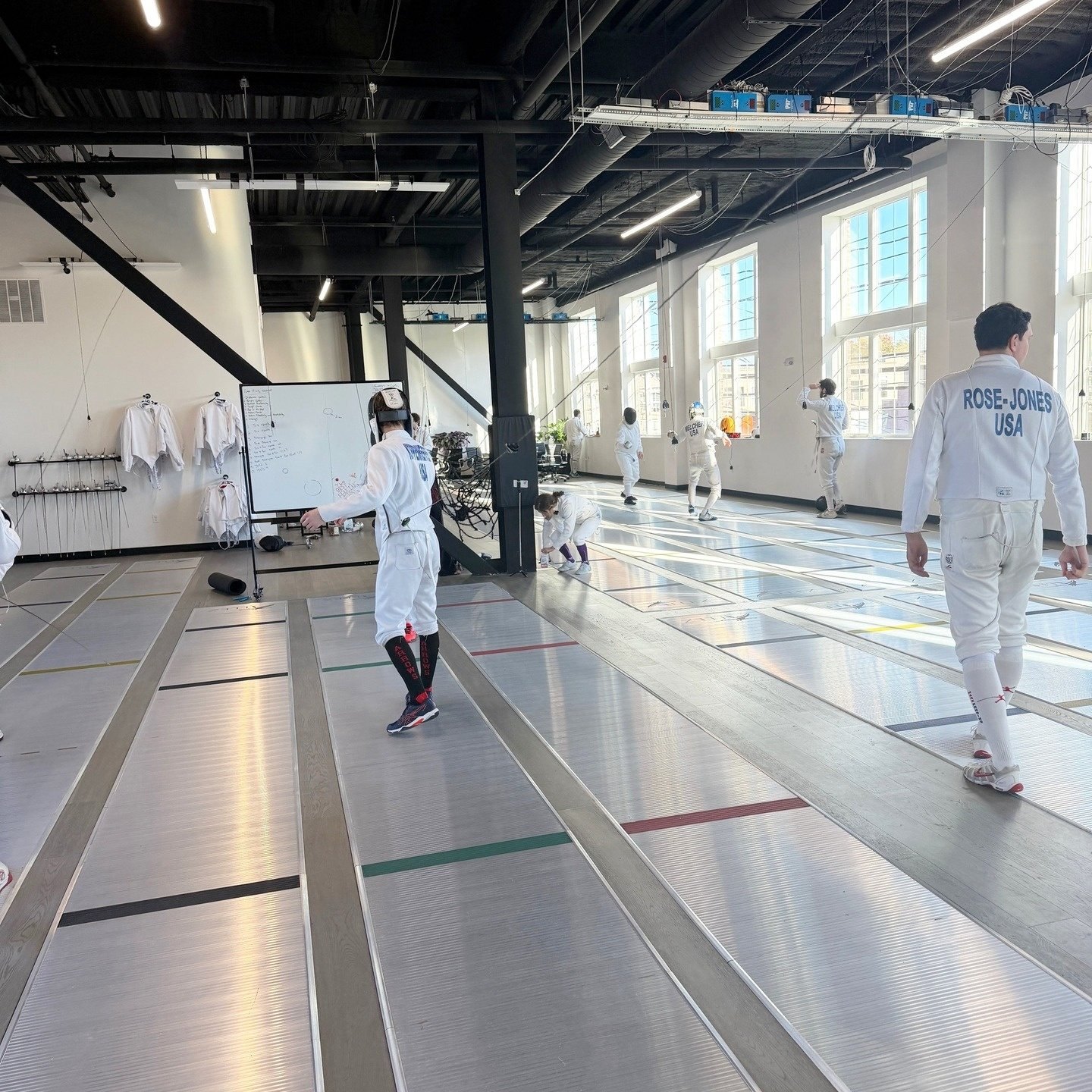
Our 5,000-square-foot club has 15 fencing strips and a gym for strength and conditioning. The training fits together: learn and refine actions in class or a private lesson, test them in open fencing, and build the physical capacity to keep using them through a demanding practice.
New families can ask about equipment, classes, and competition as they get to know the sport. Youth classes follow a drop-off and pickup format. See our drop-off and pickup policy.