Youth fencing in Watertown

For Parents

Looking Ahead

Fencing and College

For a child who stays with the sport, fencing can become a meaningful part of their college application—and, for some, a route to a college team.

A Recruiting Pathway

College varsity teams recruit fencers to fill specific places on their rosters. An épée fencer who develops strong results and fits a program’s needs may earn a coach’s interest and, at some schools, support in the admissions process. That opportunity takes years of work, strong academics, and a realistic match between the athlete and the school.

More Than a Résumé Line

A sustained commitment to fencing gives a student real experiences to draw on: preparing for a difficult event, balancing training with school, responding to a setback, or taking on responsibility within the club. Those experiences can make an application more personal and substantial, even when the student is not being recruited.

A Sport to Take With You

Varsity recruitment is one route. College club teams offer another way to train, compete, and find a community on campus. A student can choose a school for its academic fit and still keep fencing as an important part of their life.

What College Coaches Look For

There is no single rating or tournament result that guarantees recruitment. Coaches consider a fencer’s competitive record, recent progress, graduation year, and the needs of their men’s or women’s épée squad. They also need students who can meet the school’s academic expectations and contribute to a team.

Results matter in context. A rating is a useful snapshot, but a record of performances against strong opposition tells a fuller story. Clear bout video can help a coach see how a fencer moves, makes decisions, and handles pressure. Consistent communication and the ability to train well with others matter too.

Recruiting interest, admissions support, admission, and financial aid are separate questions. Families should ask a college coach what their interest means at that particular school. Athletic scholarships are not available at NCAA Division III schools; other forms of aid may be available. A strong academic record keeps more options open throughout the process.

Building a College Application With Substance

Fencing can help a student show what they have committed to and how they have grown. The useful part is the work behind the activity: regular training over several years, learning to compete independently, keeping responsibilities during a busy school week, and contributing to the people around them.

Keep an accurate record of participation, results, and genuine leadership or service. When it is time to write an application, specific experiences say more than broad claims about discipline or resilience. A student who can explain a decision they made, a problem they worked through, or something they helped improve has a story that belongs to them.

Fencing does not replace grades, challenging coursework, or the rest of an application. It can give those academic achievements another dimension—a clearer picture of the person who earned them.

How Families Can Plan Ahead

In the Early Years

Build a foundation and let your child find their own interest in the sport. Consistent practice, sound technique, and learning to enjoy competition come first. A young fencer does not need a college recruiting plan to benefit from fencing.

As Competition Develops

Talk with the coach about goals, readiness, and a tournament schedule the family can sustain. Keep results and occasional bout video organized. Protect time for school, sleep, and recovery. More travel is useful when it serves the fencer’s development.

Start here

How to get your child fencing

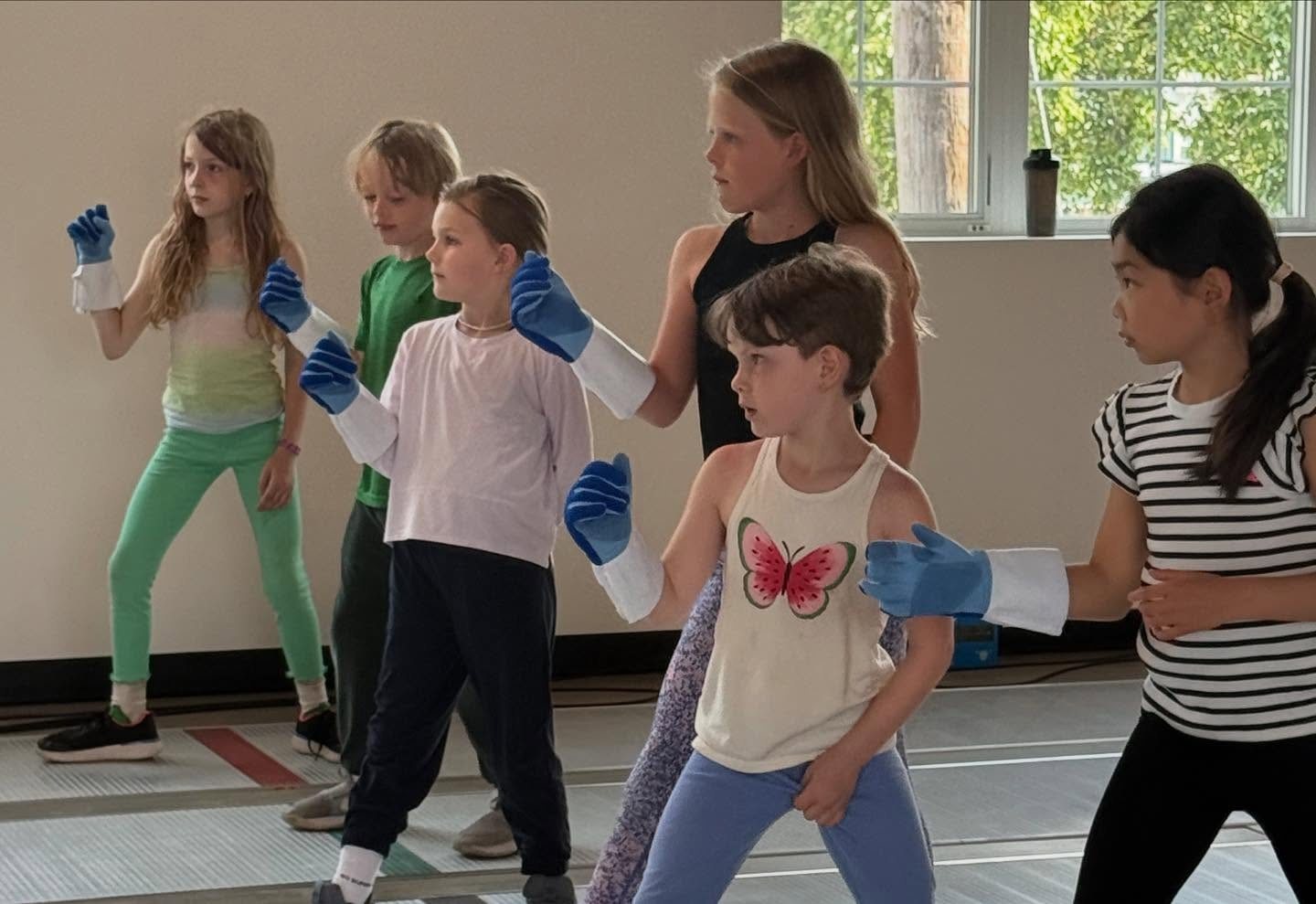
Children learning fencing stance and movement at Allez

1. Book a free trial

Choose a trial for your child's age group. Wear long athletic pants and sneakers, bring water, and arrive about 10 minutes early.

Book a Free Trial

2. Choose your class

Join the regular class for your age group. Your coach will help you choose a package and build the basics through footwork, blade practice, and supervised bouts.

Schedule & Pricing

3. Get ready for practice

Arrange USA Fencing membership and plan your equipment purchase with your coach. We can help you select sizes, blade length, and a starter set.

Equipment guide
Choosing a routine

How much training is involved?

Starting out

After the trial, choose class days your family can attend consistently. Early progress comes from remembering the safety rules, getting comfortable with the equipment, and repeating the basic movements. There is no need to add tournaments or private lessons before your child has settled into class.

Regular practice

Regular attendance lets a coach see what your child remembers and what still needs practice. Ask what they are working on and what a useful next step would be. Private lessons can address a specific difficulty; open fencing offers extra bouts when your child is ready for that setting.

Competitive goals

Build a tournament plan with the coach before adding more commitments. Discuss which events serve your child’s development, how much practice supports them, and what travel and coaching will cost. A manageable season with time to prepare is more useful than entering every available event.

Confidence from the first class

How we keep fencing safe

Protective equipment, clear rules, and attentive coaching are part of every practice.

It is natural to have questions about safety when your child first picks up an épée. Modern fencing is designed around protected, controlled practice. We introduce children to the equipment and the rules step by step, so they can feel comfortable before fencing their first bouts.

Equipment designed for fencing

Épées have blunt, spring-loaded tips and flexible blades. A properly fitted mask, fencing jacket, glove, and underarm protector help protect the fencer. We help beginners get fitted for club gear and learn how to wear it correctly.

Good habits from the start

Masks stay on whenever fencers are fencing. Children learn to stop when instructed, handle their weapons responsibly, and respect their partner's space. Loose or damaged equipment is brought to a coach's attention before practice continues.

Supervised practice

Beginners work through movements and simple exercises with a coach before putting them together in supervised bouts. Control and respect come first. As children gain experience, those same expectations stay part of their training.

Your own gear

Renting or buying equipment

Beginner gear rental is $15/month with a $100 refundable deposit. Your assigned protective kit includes a carry bag and goes home with you.

Rental details and return instructions

Ask us to check sizes and weapon choices before you order.

Blue Gauntlet

An entry-level option for getting started with electric épée.

Blue Gauntlet starter set

Prieur

Our higher-quality starter option for families ready to invest more in their equipment.

Prieur children's full épée set

Prieur adult and youth kit options

Allez teaches épée. Choose equipment for electric épée fencing. Starter kits vary, so check the contents before ordering. The Blue Gauntlet eight-piece set includes a mask, jacket, knickers, underarm protector, glove, electric épée, body cord, and bag.

Prieur’s children’s full set lists the protective clothing, mask, glove, socks, and chest protector. An electric épée, body cord, and bag are not listed in that kit; plan to purchase them separately.

Before you order

  • Confirm right- or left-handed equipment, blade length, and grip with your coach.
  • Use the supplier's measurements and sizing charts for each item. Mask, glove, jacket, and pants need their own size checks.
  • Check whether a chest protector is included. It is required for girls and women; ask us about fitting and use for your child.
  • Add long socks and suitable athletic shoes. Épée does not need a lamé or mask cord.

Before competing

Plan for at least two working electric épées and two working body cords. If your starter set contains one of each, add spares. Your coach can confirm blade length, equipment requirements, and any event-specific markings.

Allez equipment policy

National membership

Joining USA Fencing

USA Fencing membership options

USA Fencing membership is separate from Allez's annual club membership and class payments. Ask us which category your child needs for training and their planned events.

  1. Open the official membership page and follow its join link.
  2. Create the membership for your child as the athlete, with a parent or guardian managing the account. Check the child's birth date and contact details.
  3. Select Allez Fencing Club as the club affiliation and choose the appropriate membership category.
  4. Save the membership number and digital card, and check the expiration date. Complete age verification before regional or national competition.

Access membership covers local sanctioned tournaments and divisional qualifiers. Competitive membership is the usual choice for regional and national events; confirm the event's eligibility requirements before registering.

The membership season runs August 1 through July 31. Use USA Fencing's current checkout for fees and renewal details.

Ready to compete?

Your first tournament

Start by choosing an event with your coach. Check the age category, entry requirements, registration deadline, and coaching arrangements before paying. Your class age group may differ from your tournament category.

The checklist walks through membership, registration, equipment, travel, check-in, and what happens at the strip. Plan to arrive 45 minutes to 1 hour before pools start for check-in, equipment inspection, warm-up, and warm-up bouts. Follow any earlier deadline set by the organizer.

Plan for practice

What families need to know

Missed classes

Make up a missed class on another day with the same age group. There are multiple class days each week.

See class options

Payments and cancellation

Payments are nonrefundable. Recurring memberships require 30 days' cancellation notice. Review the policy before choosing a package.

Read Club Policies

Drop-off and pickup

Youth classes use a drop-off and pickup format. Return promptly for pickup and keep our 10 parking spaces available for arriving families.

Directions to Allez
Planning your budget

What families pay for

ItemCostWhen it applies
Free trialFreeYour first class; club equipment included.
Ages 5–8 classes$150–$320 / month1–3 classes / week
Ages 9–10 classes$250–$450 / month1–3 classes / week
Ages 11–14 classes$350–$450 / month2–3 coached classes / week, plus two fitness sessions and open fencing.
15+ competitive classes$350–$450 / month2–3 coached classes / week, plus two fitness sessions and open fencing.
Annual Allez membership$250 / family / yearFirst billed in month three, then annually; separate from class payments. Additional family members receive 20% off classes; private lessons and open fencing are excluded from that discount.
USA Fencing membershipCurrent national membership feeSeparate from Allez membership. The category depends on participation and the events entered.
Beginner gear rental$15 / month + $100 refundable depositAssigned take-home protective kit and carry bag. Rental policy
Personal equipmentCompare starter setsNeeded after initial beginner training. Allow for competition spares, shipping, and tax.
Private lessons$60 / 20 minutesOptional individual training. Monthly lesson packages are available.
Competitions and travelVaries by eventEntry fees, travel, and any coaching arrangements are additional. Discuss these before registering.

For ongoing youth training, plan for your monthly class package plus annual club and USA Fencing memberships, then personal equipment after initial beginner training. Tournament costs and private lessons depend on your child's goals.

All package prices and term discounts

Questions before starting?

Read the beginner FAQs or email info@allezfencingclub.com.

Book a Free Trial
Before your first event

Competition checklist

Work through these steps with your coach. This guide is for épée fencers entering domestic events. The organizer’s current instructions and USA Fencing rules govern each tournament.

1. Choose an event with your coach

Start with an event suited to your experience. Check the weapon, age category, rating restrictions, and any qualification requirements. Your class age group is not necessarily your competition category: use the season’s eligibility rules. Confirm the event fits your training goals before paying.

2. Set up USA Fencing membership

Visit USA Fencing membership and create or renew the fencer’s account. For a child, enter the child as the athlete, with the parent or guardian managing the account. Check the birth date, contact details, club affiliation, and membership expiration.

Access membership permits local sanctioned tournaments and divisional qualifiers. Regional and national events require Competitive membership or another eligible category. Complete age verification in the membership account before registering for regional or national events. Save your membership number and digital card. USA Fencing membership is separate from Allez’s club membership.

Official membership and age-verification requirements

3. Register for the tournament

Follow the registration link on the event listing. Local events commonly use AskFRED; use the organizer’s designated platform for regional and national events.

On AskFRED, create an account, verify your email, add the correct fencer, and save their membership number. Choose the eligible épée event, complete required fields and waivers, and pay as instructed. Check that your entry is confirmed; a waitlist place is not a confirmed entry.

Save the confirmation, registration deadline, withdrawal policy, and event-specific check-in deadline. Watch for organizer updates. AskFRED registration walkthrough

4. Get your equipment ready

Bring properly fitted equipment in good condition:

  • Épée mask with an intact bib and secure retention straps.
  • Fencing jacket, underarm protector, and fencing knickers; jacket and knickers must overlap correctly.
  • Fencing glove, long socks covering the legs to the knickers, and suitable athletic shoes.
  • Chest protector where required; it is mandatory for women under USA Fencing rules. Ask your coach about fitting and youth use.
  • At least two working electric épées and two working épée body cords.

Y10 requires shorter blades; have your coach confirm the correct size. Épée does not use a lamé or mask cord. Check national-event surname marking requirements before traveling. Label your gear and test weapons and cords before leaving.

USA Fencing equipment guidance · Current Athlete Handbook and Rulebook

5. Plan the trip

Confirm the venue, event day, check-in deadline, and equipment-inspection hours before booking travel. Plan to arrive 45 minutes to 1 hour before pools start, with enough time for check-in, equipment inspection, a full warm-up, and warm-up bouts. Arrive earlier if the posted check-in deadline or inspection schedule requires it, and allow extra time for travel delays. For an early event away from home, arriving the previous day can make preparation easier.

Discuss coaching availability and arrangements before registering. For youth travel, agree who is supervising, transport arrangements, and emergency contacts beforehand; follow current USA Fencing SafeSport guidance.

If flying, pack weapons in checked baggage with the tips protected. Check your airline’s sporting-equipment size and weight rules. Carry essential clothing and permitted equipment with you where practical. Pack water, food, a change of clothes, and basic repair supplies.

TSA weapon baggage guidance · USA Fencing safety guidance

6. Check in and pass equipment inspection

Online registration does not replace tournament-day check-in. Aim to arrive 45 minutes to 1 hour before pools start so you can check in, complete equipment inspection, warm up, and fence warm-up bouts. You must also meet the event’s posted check-in deadline, which may require an earlier arrival. Bring your membership card or number and confirmation. Follow the organizer’s check-in process.

Take the items required by that event to equipment control and resolve any failures before fencing. At national events, inspected items include masks, gloves, and body cords for épée. Keep inspection marks visible. Warm up and have both weapons and cords ready at the strip; referees also check equipment there.

National tournament preparation

7. Follow the event and strip protocol

Check pool assignments and strip locations using the event’s posted system. Stay nearby and be ready when called. Bring your spare weapon and cord to the strip. Keep your mask on whenever fencing, follow the referee’s commands, and salute as instructed. Address questions respectfully to the referee; ask your coach about an unfamiliar situation.

Check the recorded score before confirming it. Between bouts, stay ready, drink water, and listen for the next call. After pools, check your elimination assignment rather than assuming the day is over.

8. Review the day

Before leaving, confirm that your event is finished and collect all equipment. Tell your coach how the day went: what worked, what felt difficult, and what you want to practice next. If your plans change before the tournament, withdraw through the organizer’s process by its deadline.

Guide checked September 30, 2026. Use the linked official rules and event instructions for updates.
Email Allez

To: info@allezfencingclub.com

Your email app will open with your message ready to send.